
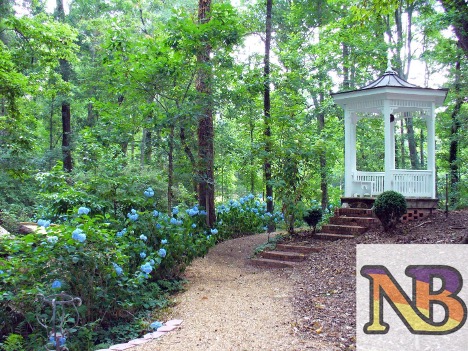
Flowers along a trail leading to gazebo, Alabama Nature Center, Millbrook, AL
Pollinators are important to our goal of maintaining healthy ecosystems. Bees and butterflies are commonly known pollinators, but many birds and other species also support plant reproduction, which helps sustain food sources, habitats, and ecological balance. Pollinator habitat preservation is an essential part of biodiversity conservation. This is true in both natural areas untouched by humans as well as public spaces we use for recreation and education.
The Importance of Pollinators
Pollinators help many flowering plants reproduce, including those that provide food and shelter for wildlife. In natural habitats, this process supports plant diversity, which strengthens ecosystem resilience. Unfortunately, pollinator populations are increasingly affected by habitat loss and changes in land use. When habitats become disconnected or degraded, pollinators may struggle to find consistent sources of food and safe areas to rest or reproduce.
Continuous habitat corridors are especially important for species that migrate or travel long distances between feeding and nesting areas. These connected landscapes allow pollinators to move freely while supporting the ecological systems that depend on them.
The Role of Planning for Preservation

Aerial view of elevated walkway at the edge of forest, Salinas Park, Port St. Joe, FL
Thoughtful land use and infrastructure planning can play a meaningful role in protecting pollinators and other animals. In parks and preserves alike, clearly defined pathways help guide visitors through landscapes without disturbing vegetation that pollinators rely on. When access routes are planned to avoid key habitat zones, the surrounding environment remains more stable and supportive of wildlife.
Planning is followed by the construction process itself, which can also disturb habitats when not completed carefully. Construction approaches that limit ground disruption, like top down construction, help preserve plants that pollinators rely on for food and shelter. When construction crews avoid unnecessary clearing and instead maintain existing vegetation wherever possible, projects can support uninterrupted corridors of native plants. These stretches of habitat help protect pollinator species as they travel between their feeding and nesting areas.
Elevated walkways and designated crossings can help reduce soil compaction and damage to plants, both of which affect whether nectar sources are available. By directing foot traffic away from sensitive areas, these approaches support long-term habitat health while maintaining visitor access. This support to biodiversity conservation protects vegetation during the life of the outdoor structure.
The Use of Native Plants

Flower garden at trail entrance, Innerarity Point Park, Pensacola, FL
While construction itself has its role in supporting pollinators, using native plants in landscaping is important as well. This is a widely recognized strategy for supporting pollinators. Native species are adapted to local climates and provide the appropriate nectar, pollen, and shelter that pollinators depend on. Non-native plants may offer limited value to the area’s ecology or even fail to support local species altogether. When we incorporate or reincorporate native vegetation into landscapes, we can create consistent, reliable food sources throughout the growing season.
Protecting pollinators is an ongoing effort that depends on thoughtful planning, responsible land use and construction, and a commitment to preserving natural systems. By prioritizing pollinator and native plant habitats, natural areas can continue to support both wildlife and human engagement.
To learn how eco-friendly infrastructure planning and construction can support pollinator habitats on your property, contact Nature Bridges to discuss responsible solutions that protect natural systems while maintaining safe and meaningful access.