
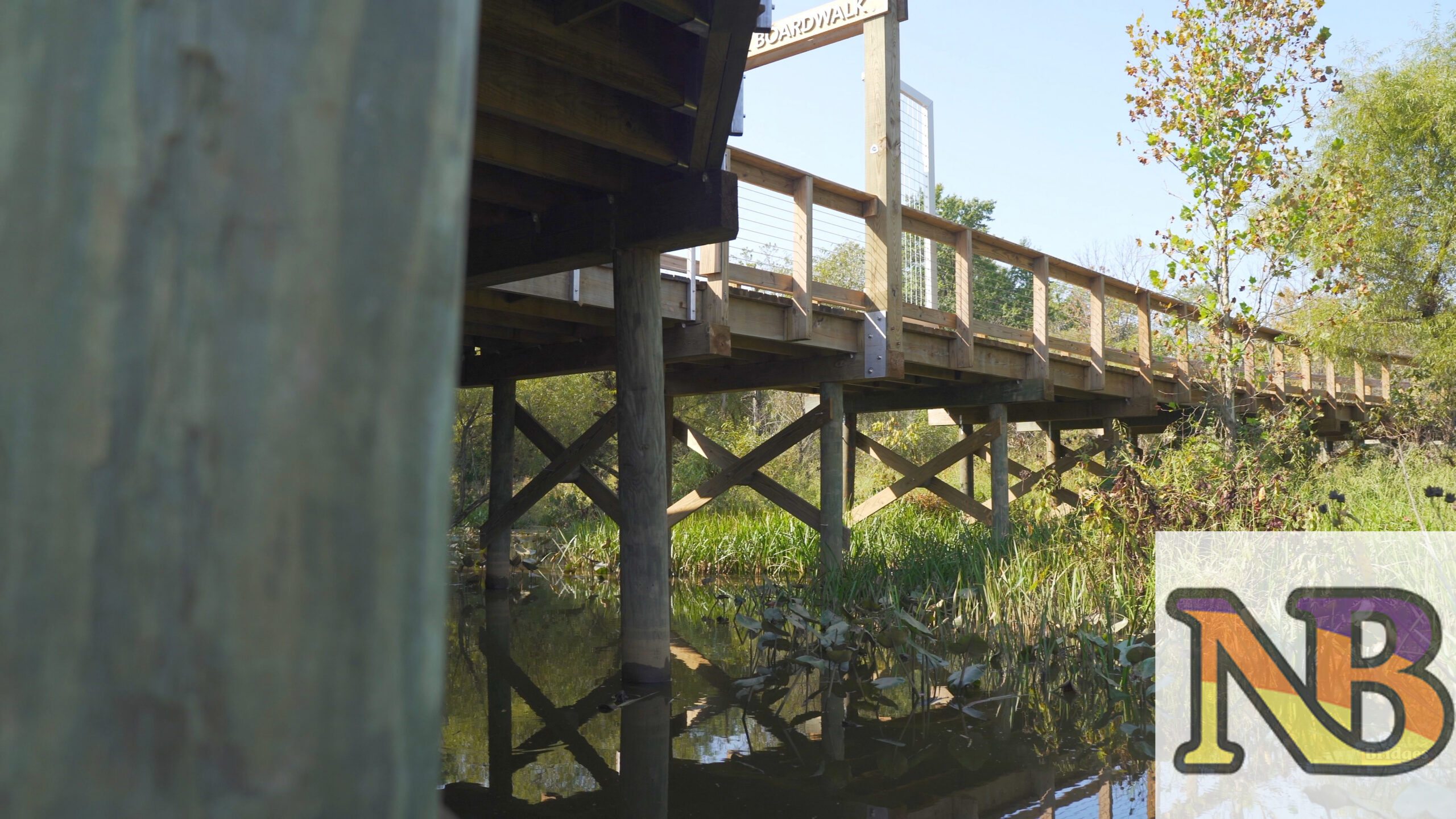
Elevated walkway over wetlands, Neabsco Creek Boardwalk, Woodbridge, VA
Photo credit: Andrew Politano
Flood-prone environments are located near wetlands, rivers, and coastal zones and are shaped by changing water levels and natural flow patterns. These areas present unique challenges for construction and require careful planning and design. Effective flood-resistant construction focuses on the conditions of the area and attempts to work with them instead of controlling them, which supports both long-term resilience and ecosystem stability.
Understanding Natural Water Movement
Waterways and floodplains serve an important function in absorbing excess water during periods of heavy rainfall or seasonal changes. If we interrupt these natural processes, we increase the risk of floods, redirect water in unintended ways, and contribute unnecessarily to erosion. To avoid those consequences, construction in these areas often begins with a detailed understanding of how water moves across the landscape. Construction planning accounts for drainage patterns, soil conditions, and historical flood levels to help reduce the likelihood of structural damage. This planning also supports water management practices that maintain the natural balance of the surrounding environment.
Using Elevated Structures as a Key Strategy
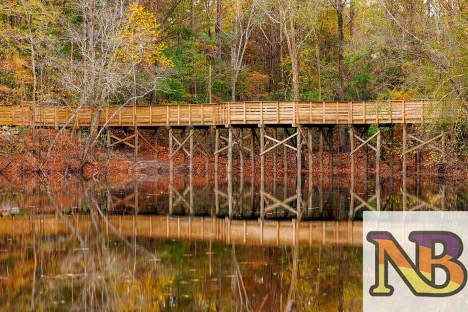
Elevated boardwalk at water’s edge, Wildwood Park, Greenville, NC
Photo credit: Ryan Ketterman Photography
A widely used approach in flood-prone areas is the use of elevated structures. Designing raised walkways and bridges above expected water levels allows floodwater to pass beneath without causing significant damage. This approach reduces the need for extensive ground alteration while preserving the natural function of floodplains.
Elevated construction also helps protect surrounding vegetation and soil, which play a role in stabilizing land and absorbing water. In environments such as wetlands and coastal areas, maintaining this natural support system is critical for both ecological health and long-term resilience.
Designing for Long-Term Resilience
Flood-resistant design is not only about withstanding a single event—it is about ensuring continued performance over time. Materials, structural systems, and layout all contribute to how well infrastructure adapts to changing conditions. Structures that allow for water movement and require minimal repair are better suited for long-term use in flood-prone areas.
By prioritizing adaptability and environmental awareness, construction projects can support both human access and natural processes. This balance is essential for maintaining safe, functional spaces in areas where water is a defining feature of the landscape.
As weather patterns shift and extreme events become more frequent, resilient design becomes increasingly important. Outdoor structure designers incorporate water management strategies and flood-resistant construction techniques to help ensure that infrastructure remains reliable while protecting the ecosystem.
Minimizing Disruption During Construction

Aerial view of waterfront boardwalk, Debbie Lightsey Nature Park, Tallahassee, FL
Photo credit: Ryan Ketterman Photography
Construction practices can influence how well a site performs during flooding events. Reducing heavy equipment access with methods like top down construction and avoiding unnecessary grading help limit ground disturbance and maintain the landscape’s natural ability to manage water. When soil structure and vegetation are preserved, the land is better equipped to absorb and redirect water naturally. Thoughtful site planning includes placing structures in locations that reduce interference with flow paths. This minimizes the risk of creating bottlenecks or areas where water may accumulate and cause damage.
Thoughtful planning and eco-friendly construction techniques can support safe, resilient construction in flood-prone environments. To discuss your new project with designers who have expertise in sensitive environments, contact Nature Bridges. The Nature Bridges team can help design solutions that respect natural water flow while providing lasting access and performance.