Nature Bridges Blog

Building in Flood-Prone Areas

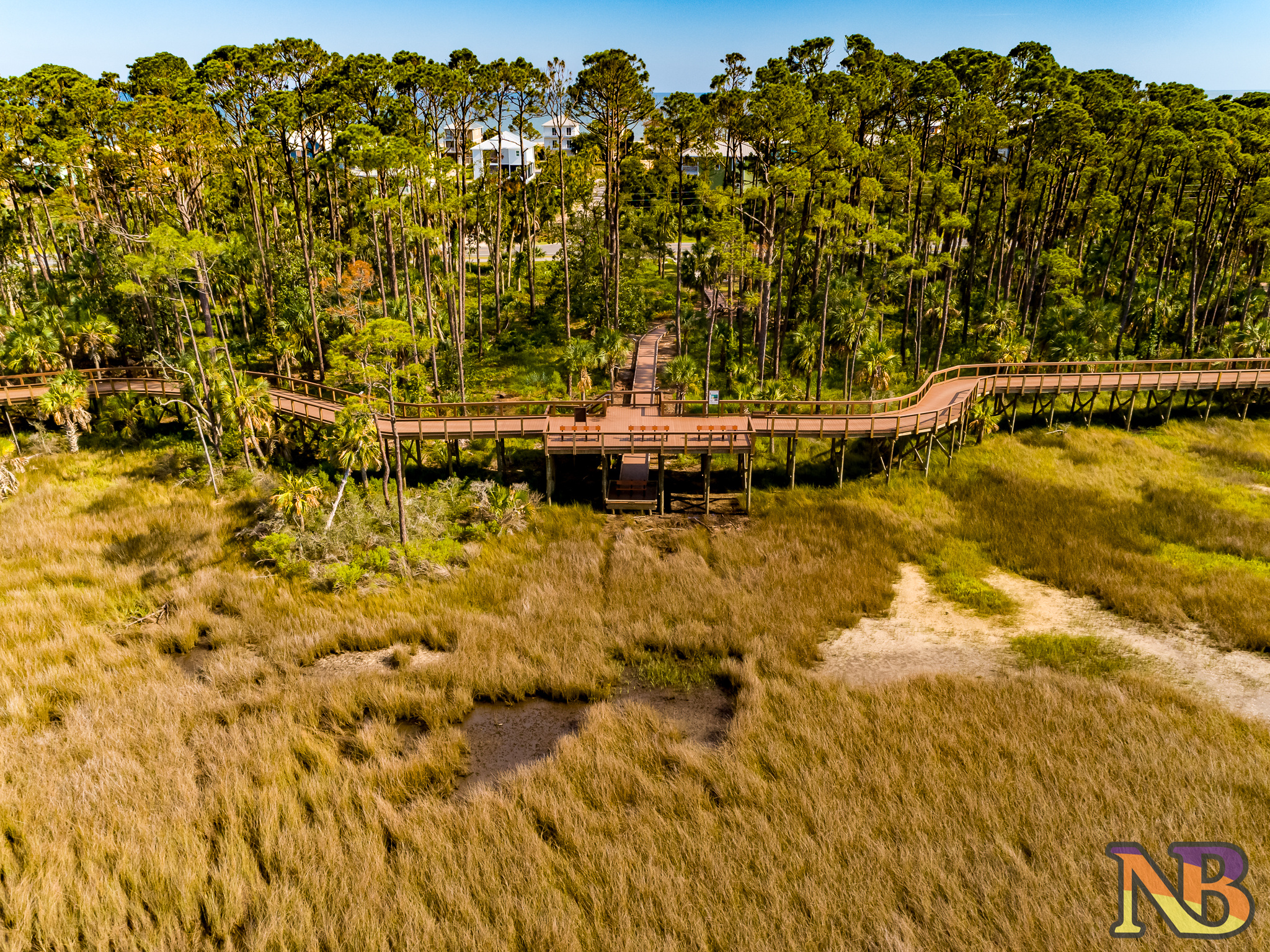
Elevated walkway over wetlands, Neabsco Creek Boardwalk, Woodbridge, VA Photo credit: Andrew Politano Flood-prone environments are located near wetlands, rivers, and coastal zones and are shaped by changing water levels and natural flow patterns. These areas present unique challenges for construction and require careful planning and design. Effective flood-resistant construction focuses on the conditions of the area and attempts to work with them instead of controlling them, which supports both long-term resilience and ecosystem stability. Understanding Natural Water Movement Waterways and floodplains serve an important function in absorbing excess water during periods of heavy rainfall or seasonal changes. If we […]

Read More… from Building in Flood-Prone Areas

Protecting Pollinators in Natural Areas

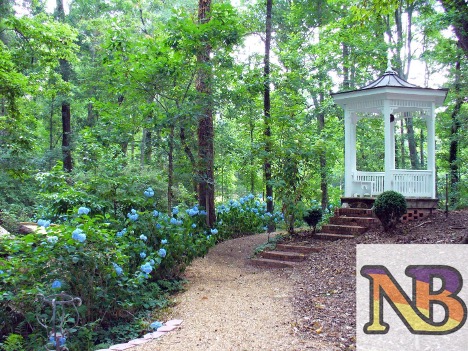
Flowers along a trail leading to gazebo, Alabama Nature Center, Millbrook, AL Pollinators are important to our goal of maintaining healthy ecosystems. Bees and butterflies are commonly known pollinators, but many birds and other species also support plant reproduction, which helps sustain food sources, habitats, and ecological balance. Pollinator habitat preservation is an essential part of biodiversity conservation. This is true in both natural areas untouched by humans as well as public spaces we use for recreation and education. The Importance of Pollinators Pollinators help many flowering plants reproduce, including those that provide food and shelter for wildlife. In natural […]

Read More… from Protecting Pollinators in Natural Areas

Boardwalks as Tools for Environmental Education

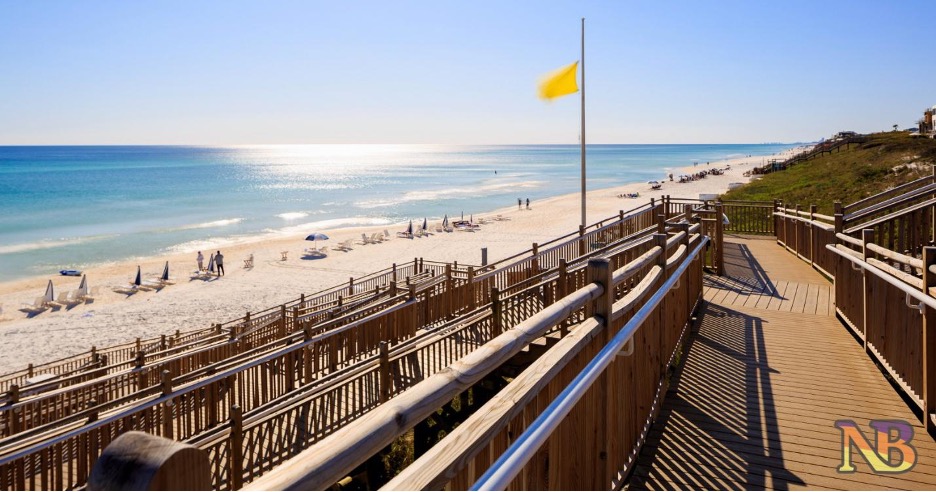
Elevated walkway through forest, Alys Beach Educational Boardwalks, Alys Beach, FL Outdoor environments provide ideal opportunities for learning, but access needs to be managed carefully to protect the ecosystem. Boardwalks, observation decks, and other elevated structures play a role in balancing visitor education with preservation. When thoughtfully placed, these outdoor structures allow visitors to engage with nature landscapes while minimizing environmental impact. Access that Supports Learning Sign along boardwalk, Salinas Park, Port St. Joe, FL Photo credit: Ryan Ketterman Photography Boardwalks and other walkways guide visitors through sensitive areas like wetlands and forest floors without disturbing soil or vegetation. By […]

Read More… from Boardwalks as Tools for Environmental Education

How Elevated Access Protects Ground-Nesting Wildlife

Elevated boardwalk over waterway, Wildwood Park, Greenville, NC Photo credit: Ryan Ketterman Photography Many ecosystems include animals that build nests or shelter directly on the ground. These ground-nesting species depend on undisturbed soil, vegetation cover, and stable habitats to live and reproduce successfully. Amphibians, reptiles, and small animals are particularly vulnerable to human activity. Conservation design and thoughtful planning strategies can ensure that outdoor access for humans does not disrupt the habitats of these valuable creatures. Understanding Ground-Nesting Species Ground-nesting wildlife includes a variety of animals. Many bird species like plovers and quail build shallow nests on beaches and forest […]

Read More… from How Elevated Access Protects Ground-Nesting Wildlife

Planning Infrastructure for State and Federal Parks

Bridge over stream, St. Marks headwaters Greenway, Tallahassee, FL Photo credit: Ryan Ketterman Photography State and federal parks, along with any public land, serve a wide range of purposes. These properties are set aside for conservation, recreation, education, and public access. Planning park infrastructure for these lands requires a thoughtful balance between delivering safe, reliable facilities and safeguarding the natural and cultural resources that give these spaces their enduring value.These are different from private development because public land construction must meet rigorous standards for compliance, longevity, and environmental stewardship. Navigating Regulatory Requirements One defining aspect of building on public lands […]

Read More… from Planning Infrastructure for State and Federal Parks

Encouraging Environmental Stewardship Through Access

Boardwalk over wetlands, Neabsco Creek, Woodbridge, VA Photo credit: Andrew Politano Access to nature plays a major role in how people understand and value the environment. When visitors can safely and responsibly experience forests, wetlands, and waterways, they are more likely to develop an appreciation for these valuable spaces. This connection is central to environmental stewardship, supporting long-term conservation through education and awareness. Access as a Tool for Understanding Environmental education is important for conservation. Research shows that direct experience in nature strengthens learning and retention. Trails and boardwalks make these experiences possible by allowing people to observe ecosystems without […]

Read More… from Encouraging Environmental Stewardship Through Access

Expert Gazebo and Pavilion Designs for Optimal Functionality

Gazebo with picnic tables, Lake Carroll Park, Carrollton, GA Gazebos and pavilions play an important role in outdoor spaces. They offer shelter and provide gathering points in parks and recreational properties. When these structures are thoughtfully designed, they support a wide range of uses, from casual shade to large-scale outdoor events, while complementing the surrounding landscape. Expert design balances function, durability, and style to ensure long-term usability throughout the year. Designing for Purpose and Use The first step in effective pavilion or gazebo design is in understanding how the structure will be used. A quiet rest area along a trail […]

Read More… from Expert Gazebo and Pavilion Designs for Optimal Functionality

Conserving Waterways: The Impact of Thoughtful Construction

Pedestrian walkway with bench over water, Bonnet Springs Park, Lakeland, FL The world’s waterways are one of the most sensitive components of nature’s landscapes. Streams, wetlands, and rivers support plant and animal life, manage stormwater, and help maintain ecological balance. When access is required within or across these environments, thoughtful construction plays an important role in protecting the ecosystem and water quality. A well-planned stream crossing or eco-friendly bridge helps ensure that human access does not come at the expense of the health of that environment. Access Without Disruption Pier across waterway, Battery Park Marina, Apalachicola, FL Stream crossings are […]

Read More… from Conserving Waterways: The Impact of Thoughtful Construction

The Role of Walkways in Enhancing Property Value

Many commercial and public properties have walkways, whether it’s a sidewalk leading to the entrance or a graceful elevated boardwalk for exploring. Whatever its use, these walkways support accessibility and organize how people move through outdoor spaces. This makes walkways a meaningful component of landscape design. For some property owners, however, their impact on property value is an important consideration. Improving Access and Navigation Walkways provide clear routes for movement and allow visitors to navigate safely and predictably. For sites with varied terrain, high foot traffic, or sensitive ecology, this is a vital property improvement. Well-defined pedestrian routes help keep […]

Read More… from The Role of Walkways in Enhancing Property Value

Conservation-Focused Construction

Aerial view of boardwalk through a forest, Firefly Trail, Woodstock, GA Photo credit: Ryan Ketterman Photography Modern builders are considering environmental stewardship more and more in their construction processes. As communities grow and outdoor recreation expands, conservation plays a vital role in providing access to nature while also protecting habitats. For builders, that means thoughtfully using methods and materials that allow people to experience the outdoors without disturbing the delicate ecosystem – in that location or anywhere else. Balancing Construction and Conservation Conservation-focused construction means that developers build with restraint. Every boardwalk or gazebo should serve people while preserving the […]

Read More… from Conservation-Focused Construction

When planning your next project, plan with Nature Bridges: (850) 997-8585

AQC Pledge

As an Accredited Quality Contractor, our company is committed to providing our clients with the highest quality construction services we care deeply about our employees and the communities in which we build. We are proud to be part of the construction industry and are dedicated to the principle of free enterprise. We commit ourselves to serve our communities and to provide our employees with the skills they need to work safely and productively in order to meet the needs of our clients.

We are proud to be recognized as Accredited Quality Contractors by the Associated Builders and Contractors, Inc.

Gulf Coast ABC Chapter
And North Florida:

J.D. James Inc.