

Elevated boardwalk over waterway, Wildwood Park, Greenville, NC
Photo credit: Ryan Ketterman Photography
Many ecosystems include animals that build nests or shelter directly on the ground. These ground-nesting species depend on undisturbed soil, vegetation cover, and stable habitats to live and reproduce successfully. Amphibians, reptiles, and small animals are particularly vulnerable to human activity. Conservation design and thoughtful planning strategies can ensure that outdoor access for humans does not disrupt the habitats of these valuable creatures.
Understanding Ground-Nesting Species
Ground-nesting wildlife includes a variety of animals. Many bird species like plovers and quail build shallow nests on beaches and forest floors. Some reptiles and amphibians also rely on ground-level nesting sites, and they choose areas with specific soil temperatures or moisture levels. Even some mammals use ground cover and vegetation for nesting and shelter.
Because these animals rely on relatively exposed nesting areas, they are especially sensitive to disturbances. Human foot traffic, pets, bicycles, and off-trail exploration can accidentally damage nests. In many protected areas, habitat disruption is one of the primary threats to nesting success.
Importance of Wildlife Habitat Protection
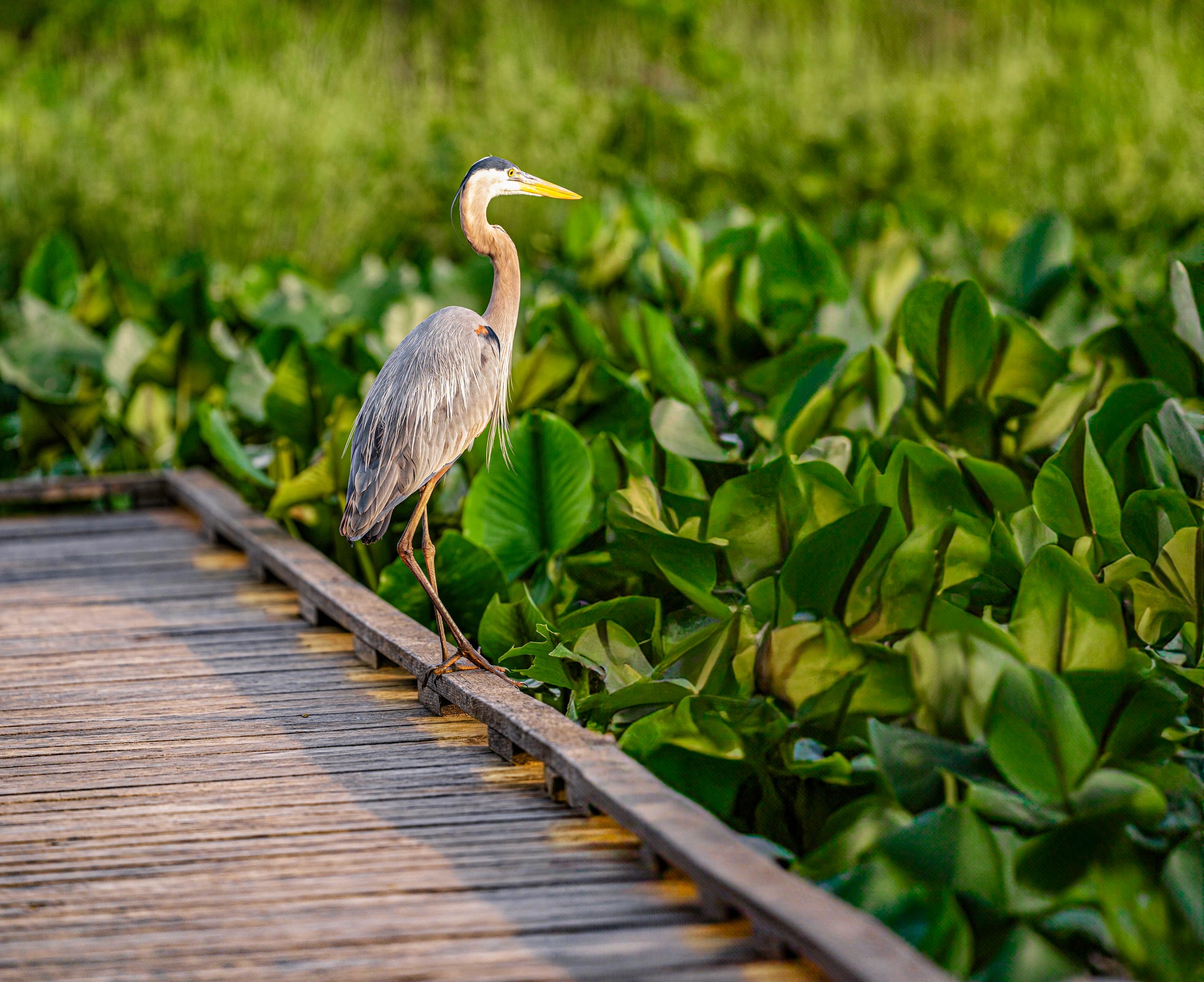
Bird on edge of boardwalk, Neabsco Creek Boardwalk, Woodbridge, VA
Photo credit: Charles Mitchell
Effective wildlife habitat protection often begins with guiding people through natural environments. When visitors wander through vegetation, plants can be damaged or soil compacted. This alters the conditions that nesting animals depend on. Repeated disturbance can reduce nesting success or even cause species to relocate or become locally extinct in areas where they once flourished.
Land managers and conservation planners frequently address these risks by establishing clear access routes that keep visitors away from sensitive areas. Well-defined pathways allow people to enjoy natural landscapes while protecting ecological conditions that wildlife depend on.
Elevated Access for Conservation

Child writing bicycle on boardwalk, Salinas Park, Cape San Blas, FL
Elevated boardwalks and bridges are widely used as an important part of the conservation design for sensitive habitats. By lifting foot traffic above the ground, these structures reduce direct contact with the soil and vegetation, which can hide nesting areas. Visitors can still experience the landscape and observe wildlife without disturbing critical habitats.
This approach is particularly effective in coastal dunes and wetlands, where ground-nesting animals are common. Elevated access routes prevent trampling of vegetation that stabilizes soil and provides nesting areas. They also reduce the formation of informal trails that can disrupt habitats over time and can even help maintain the natural flow of waterways.
Supporting Conservation Through Thoughtful Access
Balancing public access with habitat preservation is a key challenge for parks, preserves, and coastal management areas. When carefully planned, elevated walkways allow people to explore natural spaces while maintaining the environmental conditions that plants and wildlife depend on.
To learn how thoughtful infrastructure can support wildlife habitat protection while maintaining safe access for visitors, contact Nature Bridges to discuss conservation-focused construction solutions. Working together can create elevated crossings that align with ecological goals and long-term stewardship.