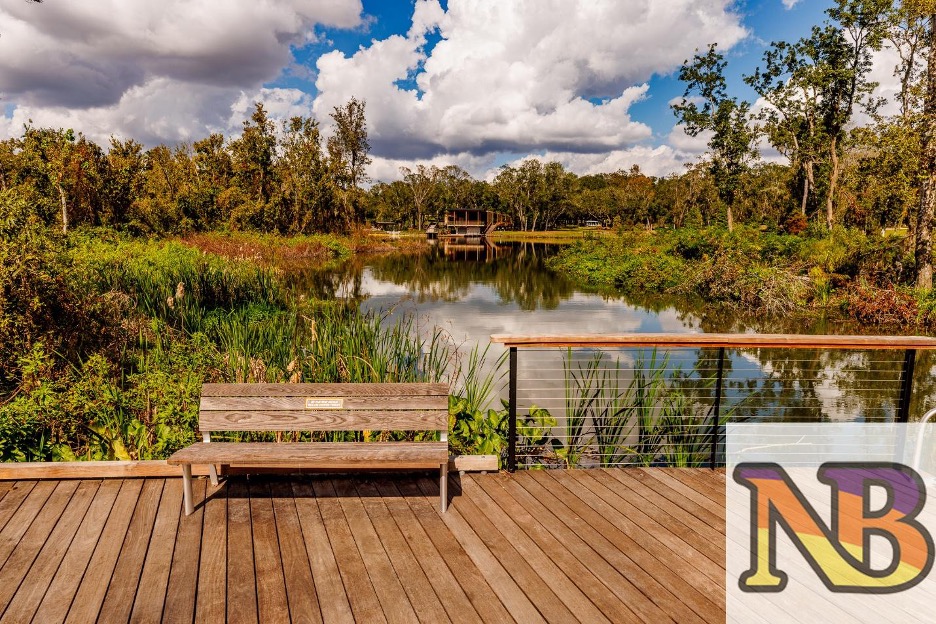
Pedestrian walkway with bench over water, Bonnet Springs Park, Lakeland, FL
The world’s waterways are one of the most sensitive components of nature’s landscapes. Streams, wetlands, and rivers support plant and animal life, manage stormwater, and help maintain ecological balance. When access is required within or across these environments, thoughtful construction plays an important role in protecting the ecosystem and water quality. A well-planned stream crossing or eco-friendly bridge helps ensure that human access does not come at the expense of the health of that environment.
Access Without Disruption

Pier across waterway, Battery Park Marina, Apalachicola, FL
Stream crossings are needed in parks and public spaces, but when construction is planned poorly, that construction can lead to erosion and long-term damage to water systems. Thoughtful construction prioritizes the environment, minimizing ground disturbance and limiting work in the water, which preserves natural flow patterns. Elevated crossings allow water to move freely under the structure while protecting the vegetation that stabilizes soil and filters pollutants in and around the water.
Construction methods that reduce the use of heavy equipment contact are especially important in these sensitive environments. Techniques such as top-down construction help protect areas around waterways while still allowing the construction of durable structures. Thoughtful approaches are central to how eco-friendly construction companies focus on specialized timber construction and project execution.
Supporting Healthy Ecosystems
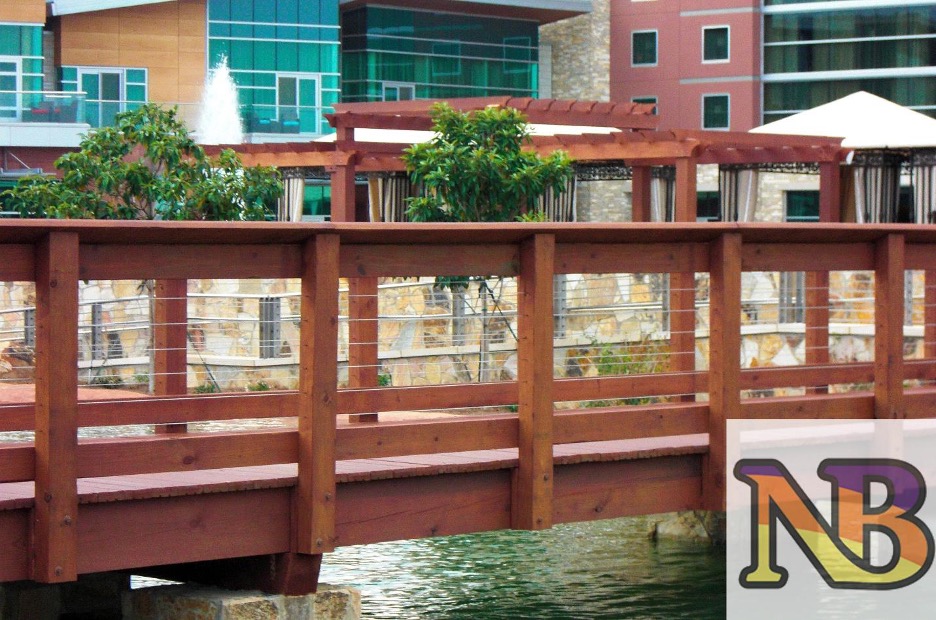
Bridge over waterway, Wind Creek Spa, Atmore, AL
Eco-friendly construction is designed to work with nature. By spanning waterways instead of interrupting them, these structures help maintain the flow of water, preserve animal habitats, and protect wetlands that play a key role in flood control and water filtration. Elevated designs also reduce the risk of debris buildup, which can alter the environment and affect plants and animals.
In recreational areas, crossings guide foot traffic away from vulnerable banks, which helps reduce erosion. Over time, this protection helps waterways remain stable even with increased public use.
Long-Term Community Benefit
Protecting waterways is a benefit to everyone, supporting long-term community use and infrastructure. Structures that respect natural systems often require less maintenance, experience less erosion, and remain functional through seasonal water level changes. Reliability is especially important in ecologically sensitive areas as well as public areas where access needs to remain safe year-round.
Thoughtful construction also reflects a broad commitment to stewardship. Communities that invest in environmentally responsible infrastructure demonstrate care for our natural resources while still meeting the community’s recreational and connectivity needs.
Conserving waterways requires careful planning and design as well as construction methods that prioritize the preservation of nature. Through well-designed bridges and boardwalks, access and conservation can coexist, supporting both people and the natural world they enjoy. To learn how your next project can protect waterways while providing safe and lasting access, contact Nature Bridges to talk about environmentally responsible construction solutions.


P.O. Box 516
Monticello, FL 32345
Phone: (850) 997-8585
Fax: (850) 385-3493
estimating@naturebridges.com