

Elevated walkway through forest, Lafayette Heritage Trail Park, Tallahassee, FL, Photo credit: Ryan Ketterman Photography
Mature trees are one of the most valuable natural features in parks and recreational areas. Their broad canopies provide shade, moderate temperatures, improve air quality by filtering airborne particles, and create habitats for countless animal species. As communities continue investing in parks and trails, tree canopy preservation has become an important consideration during both planning and construction. Protecting these mature trees and their canopies requires more than simply avoiding the trunks. The root systems that support healthy growth often extend well beyond the canopy above, making thoughtful site planning essential.
Planning Around Existing Trees
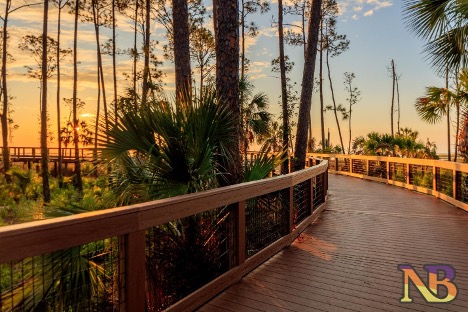
Elevated walkway through forest, Salinas Park, Port St. Joe, FL, Photo credit: Ryan Ketterman Photography
Construction projects don’t need to come at the expense of mature trees. During the planning process, designers can evaluate all existing vegetation, identify root protection zones, and adjust walkway alignments to avoid unnecessary disturbance. Careful placement of boardwalks and other structures helps preserve healthy trees while still providing visitors with safe, convenient access throughout the park.
Protecting mature trees also benefits visitors. Tree canopies create cooler, more comfortable trails during warm weather. They also provide natural beauty to an area, which enhances the overall outdoor experience.
Reducing Ground Disturbance
In some environments, elevated walkways can provide an effective way to protect sensitive root systems. By supporting the structure above grade, construction can reduce soil compaction near valuable trees while allowing natural water movement and airflow around the roots.
Elevated access can also reduce repeated foot traffic in areas where exposed roots might otherwise be damaged over time. This approach supports both visitor access and tree canopy preservation, especially in heavily visited parks and nature preserves.
Supporting Healthy Park Ecosystems
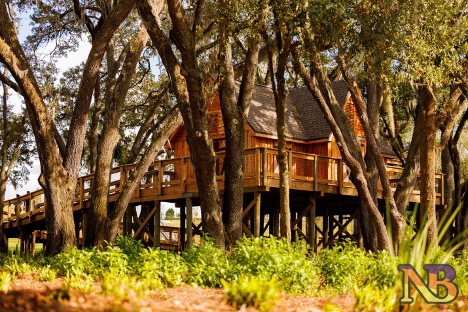
Boardwalk and elevated building in forest, Bonnet Springs Park, Lakeland, FL, Photo credit: Ryan Ketterman Photography
Healthy trees contribute to healthier park ecosystems. They provide nesting sites, food sources, and shelter for wildlife while helping to stabilize soil and control temperatures. When we protect mature vegetation, we also support broader urban forestry goals by extending the lifespan of existing trees instead of relying solely on younger trees and smaller vegetation.
Walkways can even become educational opportunities. Observation platforms, interpretive signs, and elevated paths encourage visitors to look upward as well as outward, helping them appreciate the important role tree canopies play in maintaining natural environments. By integrating access with conservation, parks can improve the visitor experience while helping preserve the landscapes that make those spaces unique.
If you’re planning a project in a mature forest, an expert in ecologically sensitive areas can help develop a solution that respects the tree canopy as well as other aspects of the landscape. Contact Nature Bridges to learn more about construction approaches that support long-term access while preserving valuable natural resources.