
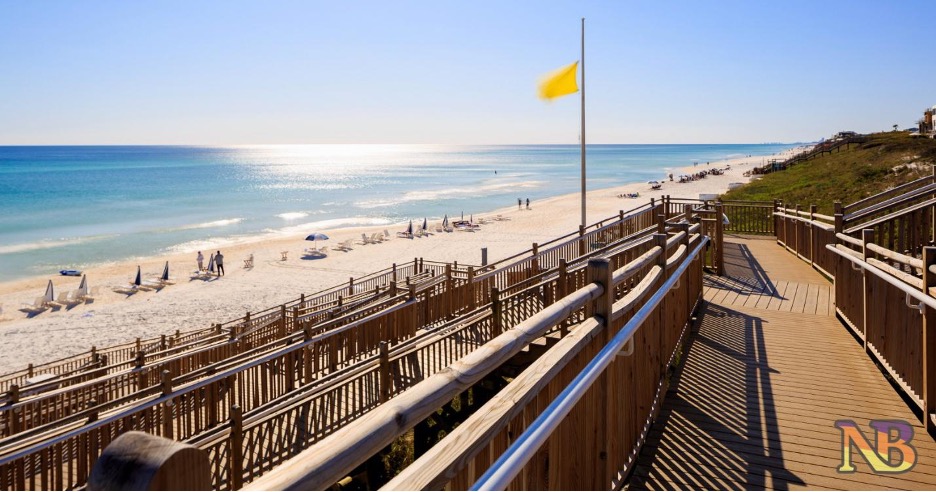
Accessible dune crossover and beach view, Alys Beach, FL
The coast has beautiful views and unique recreational opportunities, but it also presents unique challenges in construction. Strong winds, changing weather patterns, and exposure to salt air all affect how outdoor infrastructure should be designed and built. Successful coastal construction requires careful planning to create durable shoreline structures that perform well while complementing the surrounding landscape. In order to develop structures that can serve visitors for years to come, construction experts should first understand local site conditions.
Designing for Wind Exposure
Wind behaves differently depending on the terrain, elevation, and whether it’s close to open water. When planning dune crossovers, pavilions, piers, and other outdoor structures, the construction designer should account for these conditions.
Several factors contribute to wind-resistant design, including proper orientation, structural connections, and material selection. When the designer considers possible wind loads early in a project, they can create structures that remain functional while fitting naturally in a coastal setting.
Selecting Appropriate Materials
The coast exposes materials to moisture, salt spray, and frequent weather changes. When the construction company selects appropriate materials, maintenance is easier, and the structure performs better over time.
Whether using timber, composite decking, or corrosion-resistant hardware, each component plays a role in the overall durability of shoreline structures. Experts select materials that reflect both the environmental conditions and the intended use of the project.
Building With—Not Against—The Coast
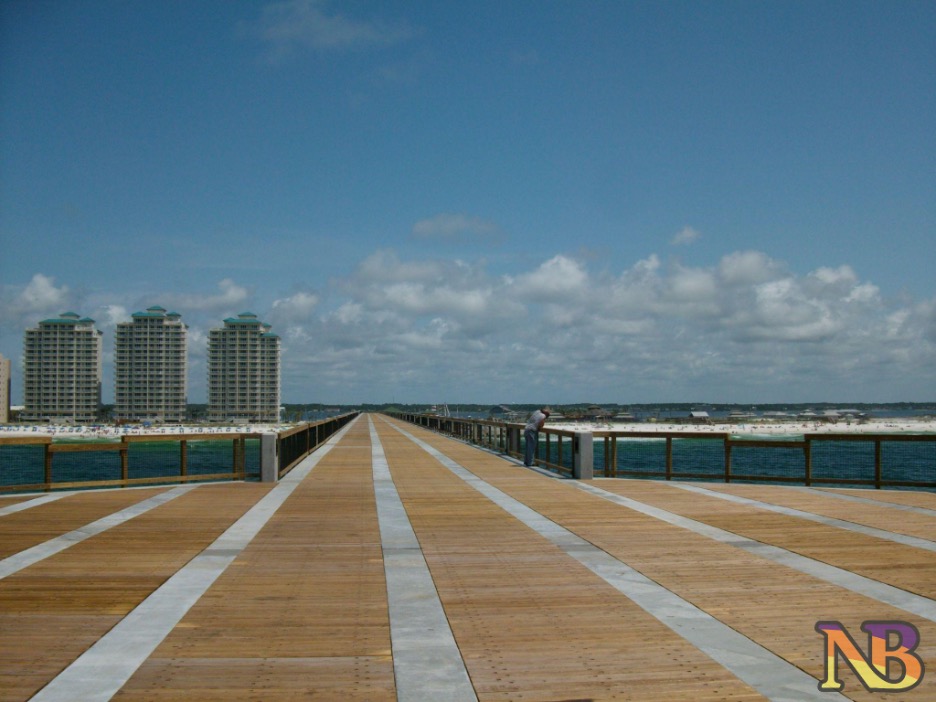
Blowout panels in fishing pier, Navarre Beach Fishing Pier, Navarre Beach, FL
Every site, whether on the coast or elsewhere, has its own characteristics. Successful coastal construction often begins with an assessment of the landscape. This includes the dunes, waterways, and natural drainage patterns, and it happens before construction starts. Designs that work with these existing features can help preserve the landscape while also providing safe, accessible routes for visitors. Construction approaches that minimize unnecessary disturbance also help maintain the natural character that draws people to coastal parks and beaches.
For fishing piers and other structures in hurricane-prone areas, construction near the ocean requires additional considerations. Material selection is important, as are additional measures to ensure structural integrity. For example, many pier construction crews use a combination of concrete superstructure and heavy timber panels, called blow out panels. The blow out panels are dropped into the pier deck and create a strong walking surface for visitors. In a high water event, however, these panels lift out of the deck. This reduces the stress on the concrete, preventing structural damage. The blow out panels may still need to be replaced, but it’s more economical than replacing the structure.
Balancing Performance and Visitor Experience

Dock and pavilion on coast, Battery Park Marina, Apalachicola, FL
Well-designed coastal infrastructure doesn’t just withstand environmental conditions; it creates enjoyable spaces for people to gather, explore, and appreciate the shoreline. Dune crossovers, piers, and other structures should provide reliable access while enhancing the surrounding landscape.
Thoughtful wind-resistant design helps ensure that outdoor structures continue serving visitors despite the challenges along the coast. When planned and built properly, construction crews can build outdoor spaces that are both functional and visually appealing.
For projects in coastal parks and waterfront communities, Nature Bridges provides construction solutions tailored to challenging environments. Contact Nature Bridges to learn more about how we can build shoreline structures designed for lasting performance on your property.