

Walkways and pavilions on the waterfront, Lake Carroll Park, Carrollton, GA
Photo credit: Ryan Ketterman Photography
Outdoor structures need to withstand years of public use and environmental exposure. Bridges, boardwalks, shelters, and trail systems all endure wear from weather, moisture, and heavy foot traffic. Thoughtful planning and durable design strategies help reduce maintenance demands over time, which improves both performance and long-term cost efficiency.
Planning for Long-Term Performance

Dune walkover at beach, Beach Club Plaza, Alys Beach, FL
Photo credit: Ryan Ketterman Photography
Effective planning begins with understanding how a structure will be used throughout its lifespan. Environmental conditions like flooding, temperature changes, humidity, and salt exposure can all affect the long-term performance of a bridge, boardwalk, or pavilion. Designing with the local conditions in mind helps reduce premature deterioration and supports greater infrastructure longevity.
Site placement is also important for the construction team to consider. Structures positioned to accommodate drainage patterns and natural terrain often experience fewer maintenance-related issues than those requiring extensive modification to the land. Allowing water to move naturally through a site—rather than creating manmade water paths—helps reduce erosion, standing water, and structural stress.
Selecting Materials for Durability
Material choices directly influence maintenance needs. Durable materials that resist moisture, corrosion, and repeated use help reduce the frequency of repairs and replacements. In many outdoor environments, materials that are selected based on local climate conditions are an essential consideration for maintaining structural integrity over time.
However, durability isn’t determined by materials alone. Structural details like proper spacing, ventilation, drainage, loan distribution, and more contribute to long-term performance. Thoughtful engineering helps prevent issues that may otherwise require ongoing maintenance attention.
Considering Maintenance and Cost Efficiency
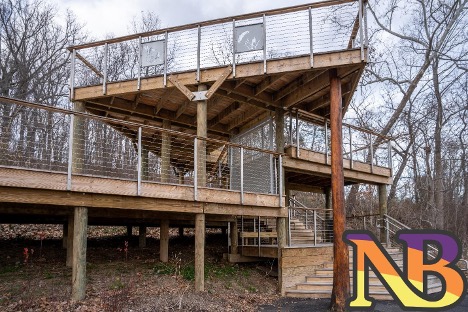
Elevated walkway and overlook, Neabsco Creek Boardwalk, Woodbridge, VA
Photo credit: Andrew Politano
Well-planned low-maintenance structures are designed to minimize future upkeep without sacrificing usability or safety. Features like accessible inspection points and stable foundations simplify maintenance efforts and reduce operational costs over time. When we reduce unnecessary complexity, we can also improve long-term reliability. Straightforward structural systems are usually easier to inspect, repair, and maintain. This is especially true in remote or environmentally sensitive locations where maintenance access may be limited.
Maintenance planning is an important part of responsible infrastructure investment. Durable design strategies may require more attention during planning and construction, but they help reduce long-term costs associated with repairs, closures, or replacing structures. Infrastructure that stays functional with minimal disruption also provides more reliable public access and reduces the environmental impacts associated with more maintenance.
Outdoor structures should be planned for current needs as well as long-term use and changing environmental conditions. When we prioritize durable design, proper placement, and low-maintenance strategies, we can help support the integrity of the infrastructure while improving safety and durability.
To discuss construction solutions designed for long-term durability and reduced maintenance demands, contact Nature bridges to work with a construction team with expertise in environmentally responsible planning. Our team can help develop structures with lasting performance in a wide range of outdoor environments.